
Products
Product catalogue
671 products from seven leading manufacturers. Filter by solution, brand, type or technology.
Glass Sample Container for 46-4150 pack of 8
Glass Sample Container Length: 0.08m Width: 0.08m
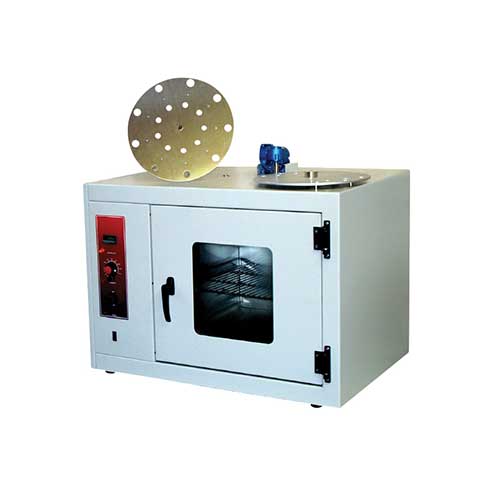
Loss on Heat/Thin-Film Oven 220-240V 50/60 Hz
The Thin-Film Oven is used for determining the loss in mass of oil and asphaltic/bituminous compounds when heated with the loss on heating test method or the effect of heat and air
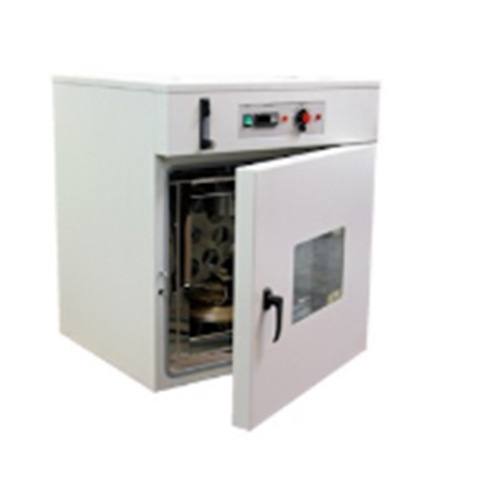
Rolling Thin Film Oven Including Timer
The product accurately simulates the short term aging of asphalt binder which occurs during mixing. The exterior is constructed from sheet steel finished in an easy clean powder c
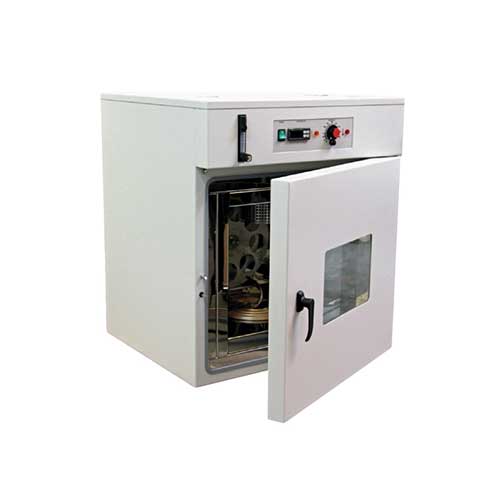
Rolling Thin-Film Oven 220-240V 50/60 Hz
The Rolling Thin-Film Oven (RTFO) procedure provides simulated short term aged asphalt binder for physical property testing. Asphalt binder is exposed to elevated temperatures to s
Spare turntable for Loss on Heat/Thin Film Oven 220-240V 50 Hz (Loss on Heat Test)
Spare turntable for Loss on Heat/Thin Film Oven 220-240V 50 Hz (Thin Film Test)
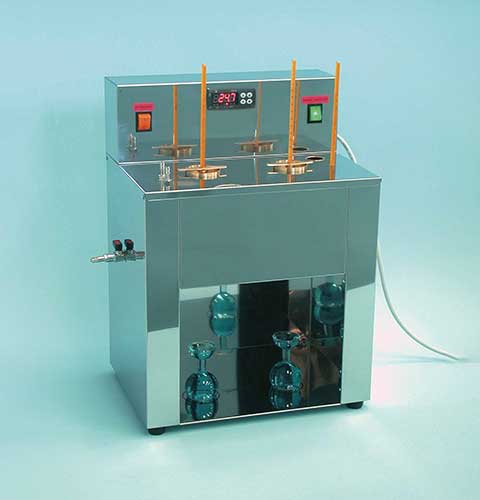
Saybolt viscometer two place unit with furol and universal orifices
Used to determine the viscosity of petroleum products at specified temperatures between 70 to 210 °F. Stainless steel made, the Saybolt viscometer is supplied complete with two fil
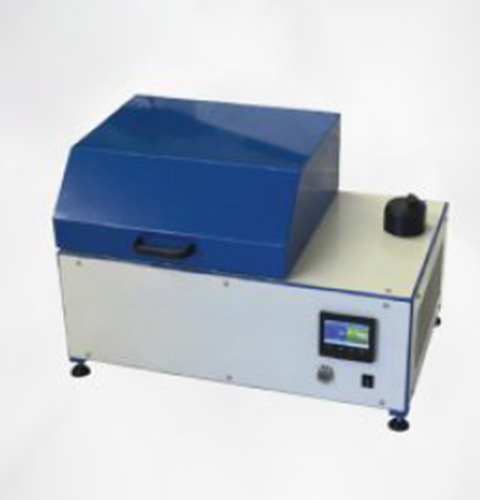
Pressure Ageing Vessel
Pressure Aging Vessel (PAV) is designed to simulate in-service oxidative aging of asphalt binder by exposure to elevated temperatures in a pressurized environment The system meets