
Pullout Test for Hardened Concrete Using Post-Installed Expandable Inserts
- Model
- ASTM C900-23
- Category
- Concrete
- Solutions
- Materials Testing and Laboratory Equipment
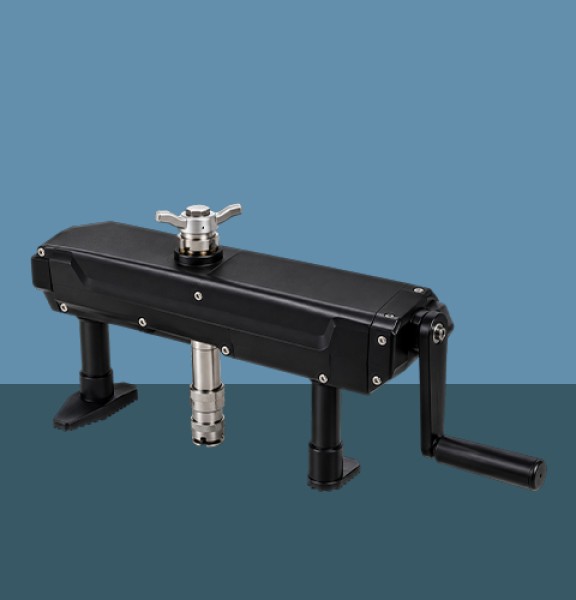
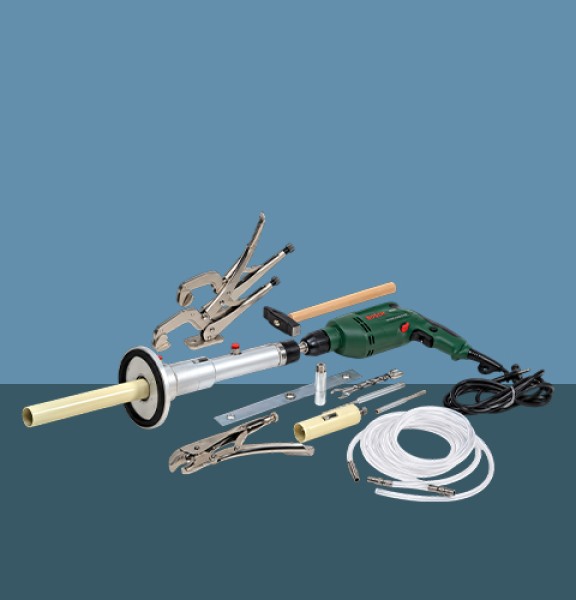
The ELE Pullout Test Equipment is an in-situ, semi-destructive method for estimating the compressive strength of hardened concrete. It involves installing an expandable insert into a drilled hole in the concrete, preparing the surrounding concrete by grinding where required, and applying a pullout load and pull the insert out together with a portion of the surrounding concrete. The ELE Pullout Tester is useful for evaluating the in-place strength of newly constructed or exiting concrete structures. Test procedure
Overview
The ELE Pullout Test Equipment is an in-situ, semi-destructive method for estimating the compressive strength of hardened concrete. It involves installing an expandable insert into a drilled hole in the concrete, preparing the surrounding concrete by grinding where required, and applying a pullout load and pull the insert out together with a portion of the surrounding concrete. The ELE Pullout Tester is useful for evaluating the in-place strength of newly constructed or exiting concrete structures. Test procedure
Applications: Soil classification and compaction · Concrete compression and flexural testing · Cement and aggregates testing · Asphalt and bitumen testing · Site quality control
Key capabilities
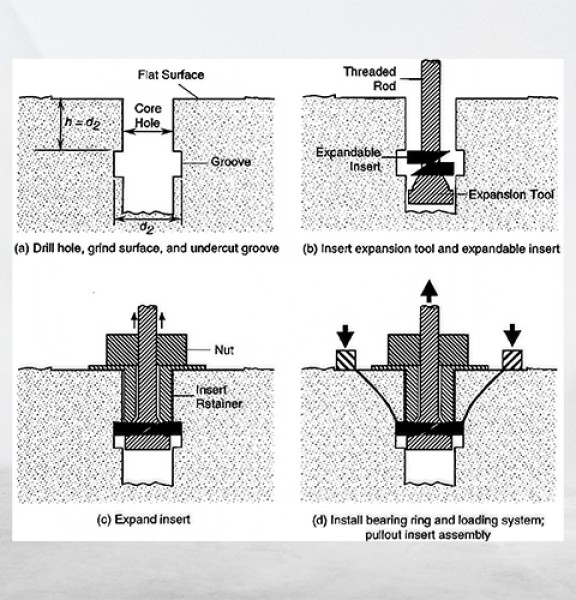
- Site selection: Select a suitable test location, ensuring adequate clearance from edges, reinforcement, and adjacent test points.
- Drilling: Drill a hole perpendicular to the concrete surface using the specified drilling equipment.
- Cutting and undercutting: Prepare a flat bearing surface and cut an annular groove at the specified depth using a suitable cutting tool.
- Insert installation: Position the expandable insert in the undercut groove and expand it using the designated installation tool.
- Pullout loading: Install the bearing ring and calibrated loading apparatus, then apply a controlled tensile load until the concrete fails around the insert.
- Advantages
- Enables in-situ strength assessment without installing inserts during concrete casting.
- Provides results that can support decisions on formwork removal, prestressing, construction loading, retrofitting, rehabilitation etc.
Technical specifications
| Standards: | ASTM C900-23 |
|---|
Solutions
Materials Testing and Laboratory Equipment
Laboratory and field equipment for testing soil, concrete, cement, aggregates and asphalt.
Related products
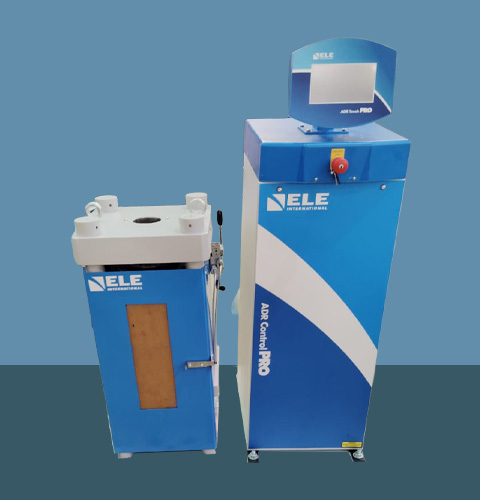
Universal Testing Machine, automatic, 500 kN tension / 1000 kN compression
The Automatic Universal Testing Machine has been designed to meet the need for reliable and consistent tensile testing of steel rebars up to 22 mm diameter and compression testing
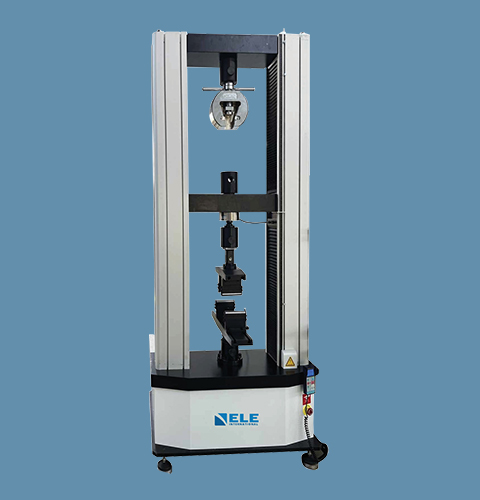
Electronic Type Universal Testing Machine 300 kgf (3kN)
ELE's series of UTM's test physical characteristics of various materials such as metal, plastic, bio, composite materials, wire, paper and film, rubber, small automobile parts, ele
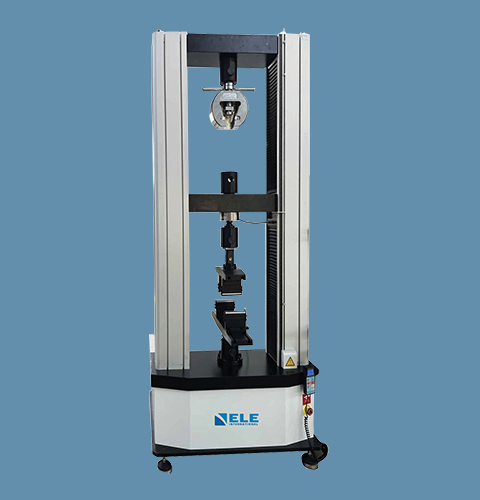
Electronic Type Universal Testing Machine 10,000 kgf (100kN)
36-2424/05 is designed to serve the requirements of laboratories, research and development, quality control, manufacturers and educational fields. Hard plastics, metals, composites
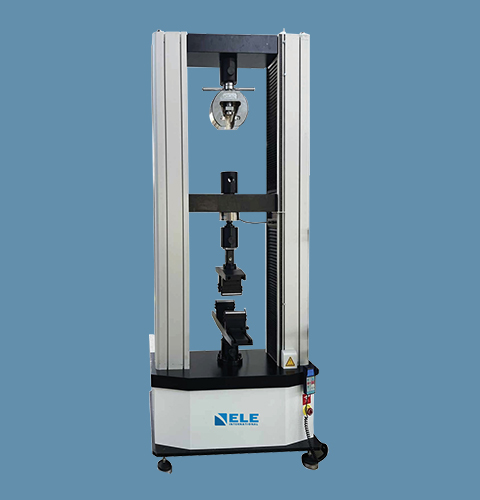
Electronic Type Universal Testing Machine 2000 kgf (20 kN)
36-2416/05 is a material property tester for test of physical characteristics of various materials such as metals, plastics, bio, composite materials, wire, paper and film, rubber,