

Dynamic Cone Penetrometer 8Kg Hammer (Trl Design).
- Model
- 29-3720
- Category
- Soil
- Solutions
- Materials Testing and Laboratory Equipment
The TRL (Transport Research Laboratory) Dynamic Cone Penetrometer (DCP) is used for rapid in-situ measurement of the structural properties of existing road pavement constructed with unbound materials. The unit incorporates an 8 kg weight with a drop of 575 mm, and a 20 mm diameter cone fitted to the end of the shaft, allowing measurements to be made down to a depth of approximately 850 mm. Readings are usually taken after a set number of blows, changing the number according to the strength of the layer being penetrated. For good granular bases, readings every five to ten blows are satisfactory, but for weaker sub-base layers and subgrades, readings every one to two blows may be appropriate. The DCP requires three operators, one to hold the instrument in a vertical position, one to raise the hammer and let it fall and one to record the results. A typical test takes only a few minutes, providing a very efficient method of obtaining information which would otherwise require the excavation of test pits. Where pavement layers have different strengths, boundaries can be identified and layer thickness determined.
Overview
The TRL (Transport Research Laboratory) Dynamic Cone Penetrometer (DCP) is used for rapid in-situ measurement of the structural properties of existing road pavement constructed with unbound materials. The unit incorporates an 8 kg weight with a drop of 575 mm, and a 20 mm diameter cone fitted to the end of the shaft, allowing measurements to be made down to a depth of approximately 850 mm. Readings are usually taken after a set number of blows, changing the number according to the strength of the layer being penetrated. For good granular bases, readings every five to ten blows are satisfactory, but for weaker sub-base layers and subgrades, readings every one to two blows may be appropriate. The DCP requires three operators, one to hold the instrument in a vertical position, one to raise the hammer and let it fall and one to record the results. A typical test takes only a few minutes, providing a very efficient method of obtaining information which would otherwise require the excavation of test pits. Where pavement layers have different strengths, boundaries can be identified and layer thickness determined.
Applications: Soil classification and compaction · Concrete compression and flexural testing · Cement and aggregates testing · Asphalt and bitumen testing · Site quality control
Technical specifications
Downloads
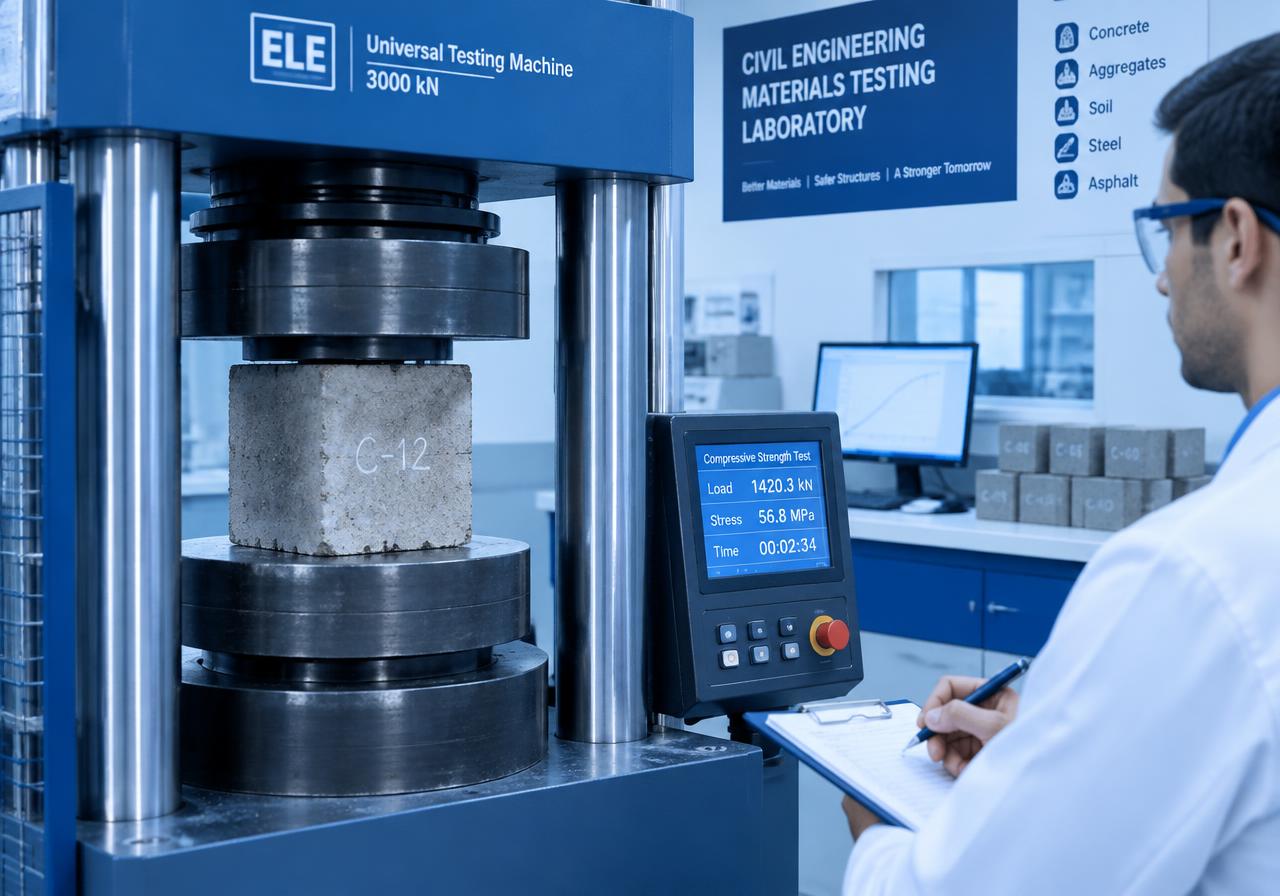
Solutions
Materials Testing and Laboratory Equipment
Laboratory and field equipment for testing soil, concrete, cement, aggregates and asphalt.
Related products
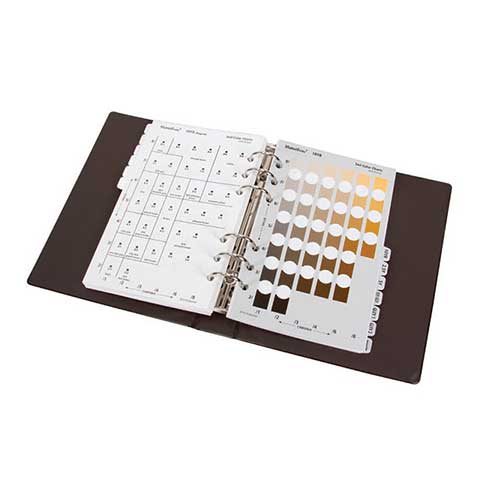
Soil Colour Chart Set
The Munsell Soil Colour Charts is an affordable way to evaluate the type of soil that is present within a given area. The book is set up to allow users to make soil Colour evaluati
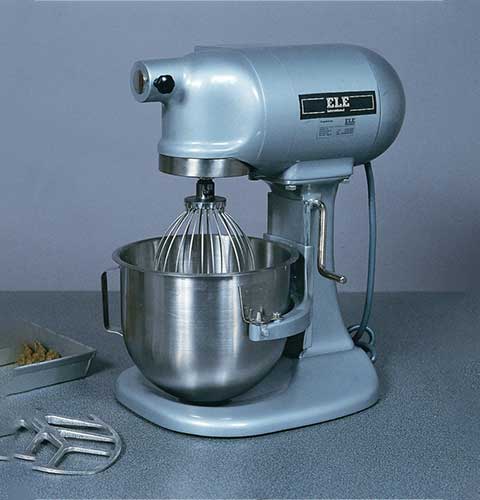
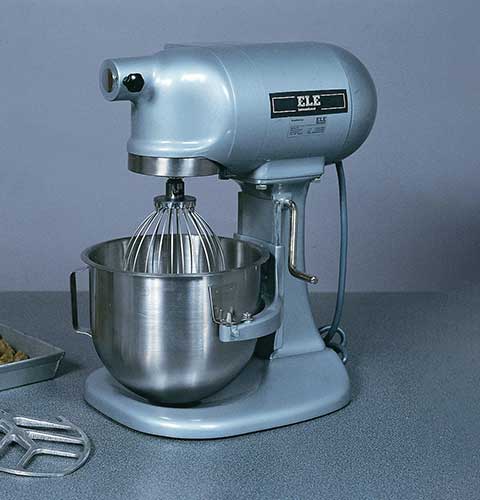
Bench-Mounting Mixer 5 Litre Capacity Complete with Bowl Beater and Whisk. 220-240V 50Hz 1Ph.
The mixer has two electrically switched mixing speeds which obviates the need to switch off during speed selection. The mixing head comprises a beater which contra-rotates about a
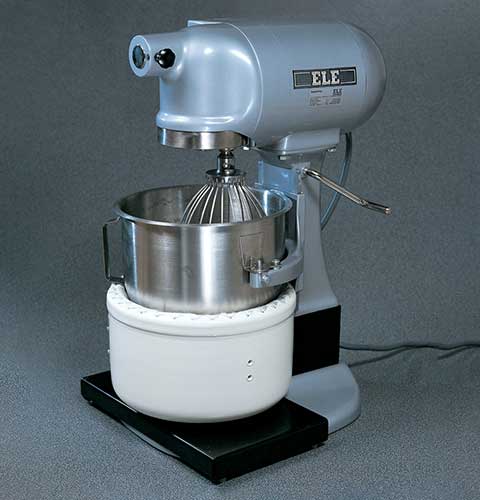
Isomantle Electric Heater
For use with 23-6191 Bench Mounting Mixer.
Stainless Steel Bowl 4.73 Litres.
For use with the 5 Litre Bench Mounted Mixer - 23-6191/01